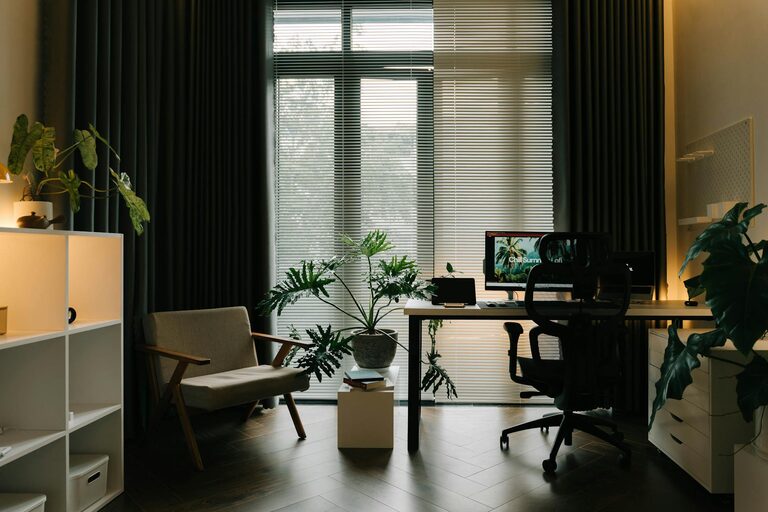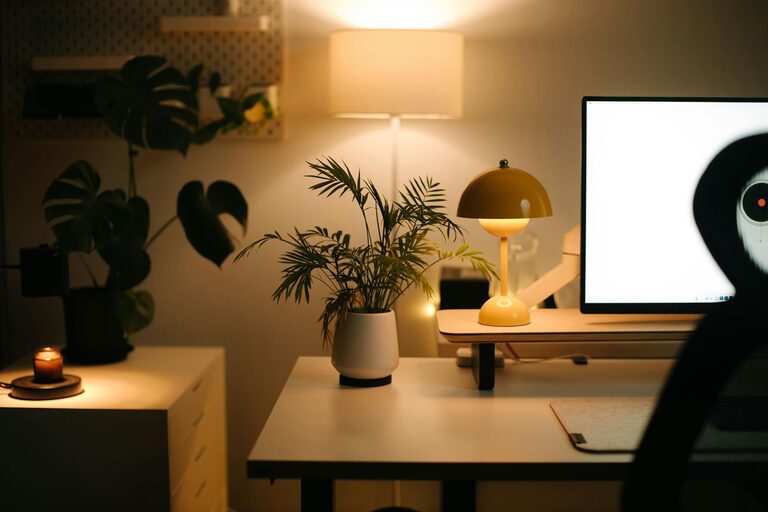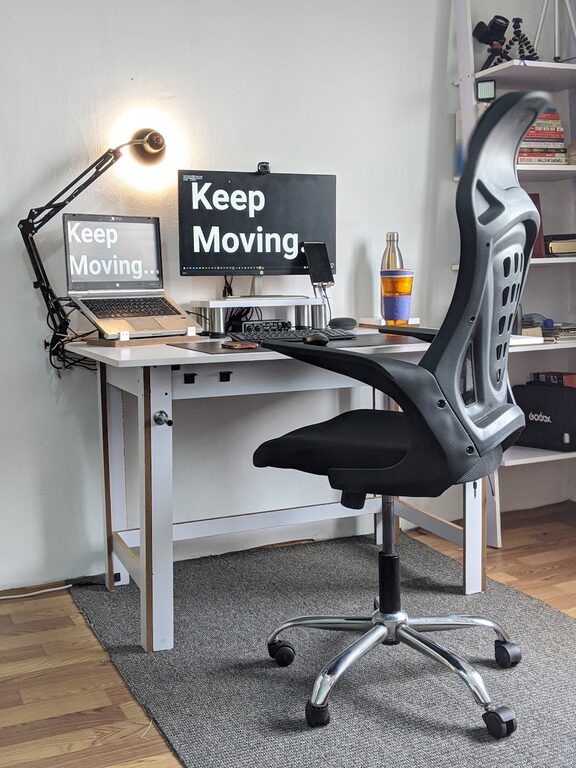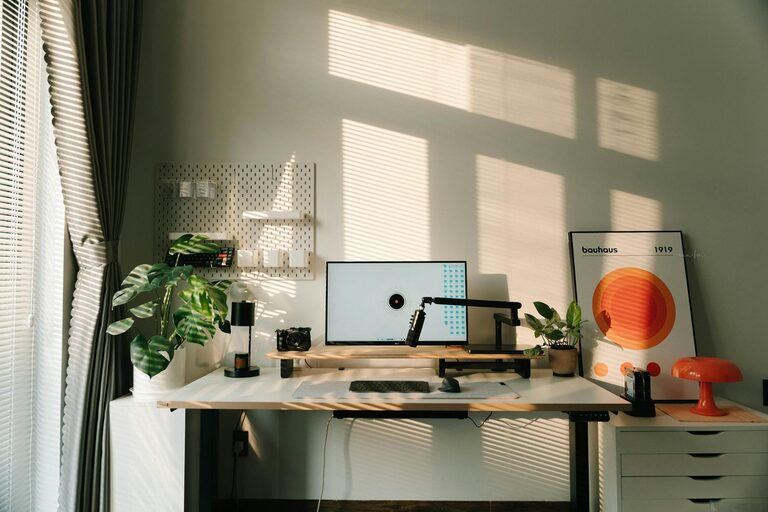
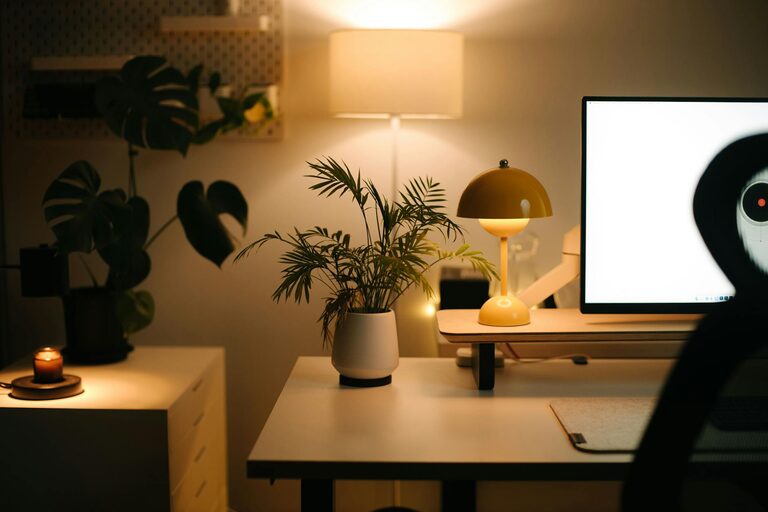
Creating a home workspace that feels relaxing and inspiring can make a big difference in your productivity. When your work area encourages calmness and focus, you’re more likely to stay motivated and complete tasks efficiently. Whether you’re working remotely full-time or occasionally, having a designated, peaceful workspace helps separate work from personal life. Below are practical tips for designing a relaxing home workspace that supports your productivity.
Choose the Right Location
Selecting the right spot for your home workspace is the first step. Ideally, this should be a quiet corner where you can work without frequent interruptions. If possible, avoid working from your bedroom or couch, as these places are usually associated with rest and relaxation rather than work.
– Look for natural light: Sunlight boosts energy and mood. Try to position your desk near a window if you can.
– Consider noise levels: If your home is noisy, opt for a spot away from common areas or use noise-cancelling headphones.
– Separate work and leisure: Having a distinct area helps your brain associate this space with work, increasing focus.
Invest in Comfortable and Supportive Furniture
Comfort plays a big role in how productive you feel. A good chair and desk setup prevent discomfort and help maintain good posture throughout the day.
– Ergonomic chair: Choose one with lumbar support and adjustable height.
– Desk height: Make sure your desk fits your height so your arms rest comfortably when typing.
– Standing options: Consider a sit-stand desk to vary your position during the day, which can reduce fatigue.
Declutter and Organize
A cluttered workspace can cause stress and distract you from work. Keeping your area tidy makes it easier to focus on tasks.
– Minimal decor: Keep personal items and decorations simple and meaningful.
– Storage solutions: Use shelves, drawers, or desk organizers to keep supplies out of sight but easy to reach.
– Daily reset: Spend a few minutes at the end of each day tidying up your workspace.
Use Calming Colors and Lighting
Colors and lighting greatly affect your mood and concentration.
– Soft, neutral colors: Shades like light blues, greens, or neutrals create a peaceful vibe.
– Task lighting: Use a desk lamp with adjustable brightness to reduce eye strain.
– Avoid harsh fluorescent lights: If possible, replace them with warm LED bulbs or natural light sources.
Incorporate Plants and Natural Elements
Adding greenery and natural textures can boost your mood and create a relaxing atmosphere.
– Houseplants: Plants like succulents, spider plants, or peace lilies are easy to care for and improve air quality.
– Natural materials: Wood desks or accessories can add warmth and a calming influence.
– Fresh air: Open windows periodically to let fresh air circulate.
Personalize Without Overdoing It
Personal touches help your workspace feel comfortable and welcoming but avoid overcrowding the area.
– Inspirational items: Photos, quotes, or artwork that motivate you.
– Comfort items: A soft blanket or cushion can improve comfort.
– Limit distractions: Keep items that may cause procrastination out of sight.
Manage Technology Efficiently
Technology is essential for work but can also become a source of distraction or discomfort.
– Cable management: Use clips or sleeves to keep cables organized and off your desk.
– Screen position: Place your monitor at eye level to prevent neck strain.
– Minimize notifications: Adjust settings to limit interruptions during focused work periods.
Develop a Routine and Boundaries
A relaxing workspace supports your routine, but habits also matter.
– Set work hours: Start and end your day consistently to create clear boundaries.
– Take breaks: Regular pauses reduce stress and maintain focus.
– Connect with others: If working remotely, schedule check-ins to stay motivated.
Incorporate Relaxation Techniques
Integrating small relaxation methods into your workday can enhance your productivity and well-being.
– Deep breathing or stretching: Simple exercises help reduce tension.
– Background music or white noise: Choose sounds that help you focus and relax without distraction.
– Mindfulness moments: Brief pauses to focus on the present can improve mental clarity.
—
By carefully designing your workspace with these tips in mind, you create an environment that promotes calmness and focus, helping you stay productive without feeling overwhelmed. Remember, a relaxing workspace isn’t about perfection—it’s about what helps you feel comfortable and ready to work every day. Start small, adapt as you go, and enjoy the benefits of a peaceful home office.
About the Author