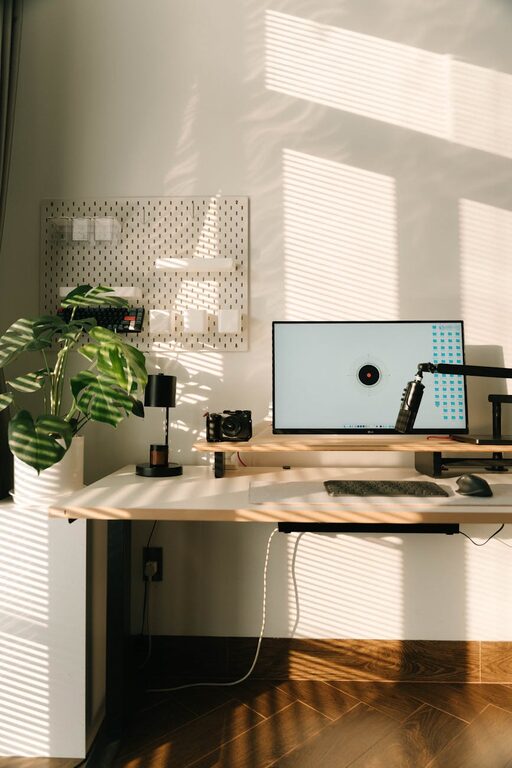
Creating a home office that feels both inviting and productive is essential for anyone working remotely or managing tasks from home. A well-designed workspace can improve focus, reduce stress, and help maintain a healthy work-life balance. Whether you have a dedicated room or a small corner in your living area, there are simple strategies to transform your space into an inspiring place to work. Here are some helpful tips to get started.
Choose the Right Location
Prioritize Natural Light
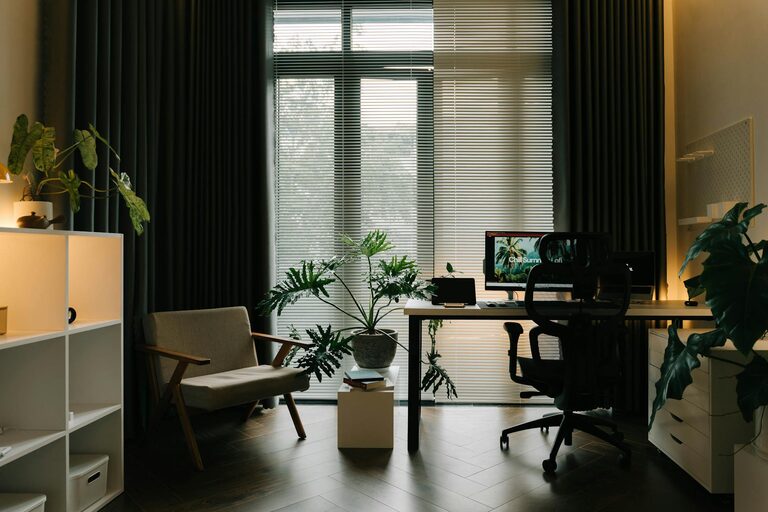
Natural light has been shown to improve mood and energy levels, making it a top priority when selecting your workspace. If possible, set up your desk near a window. This helps to keep your area bright and airy, which can reduce eye strain from artificial lighting.
Minimize Distractions
Select a quiet spot that is away from high-traffic areas in your home. If you don’t have a separate room, consider using room dividers or noise-canceling headphones to create a sense of privacy.
Invest in Comfortable Furniture
Ergonomic Chair and Desk
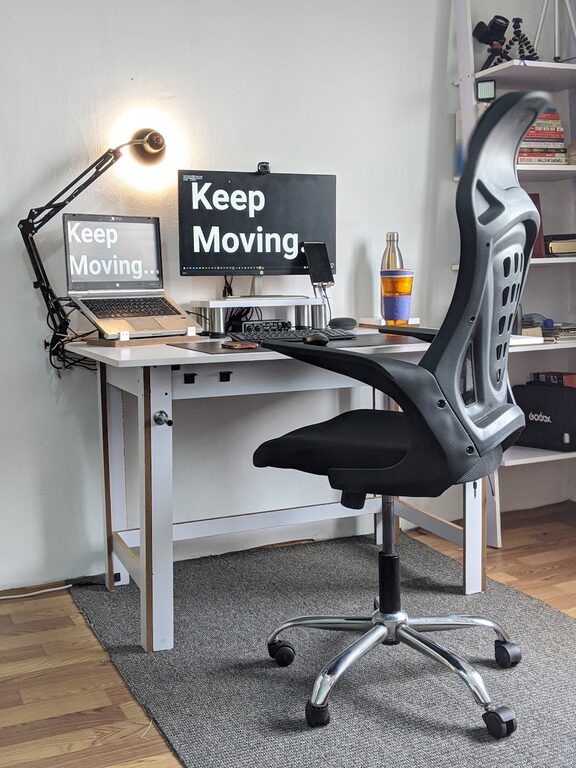
Comfort is key to maintaining productivity during long hours. Opt for an ergonomic chair that supports your posture and a desk at the right height to avoid neck and back pain.
Functional Layout
Arrange furniture in a way that allows free movement and keeps essential items within easy reach. The goal is to reduce unnecessary stretching or twisting which can cause discomfort.
Organize Effectively
Declutter Your Space
A tidy workspace promotes clear thinking. Use storage solutions like shelves, filing cabinets, or drawer organizers to keep paperwork and supplies neatly arranged.
Create Zones
If your home office serves multiple purposes, designate specific zones for different tasks. For example, one area can be for computer work while another is for meetings or creative brainstorming.
Add Personal Touches
Use Inspiring Decor
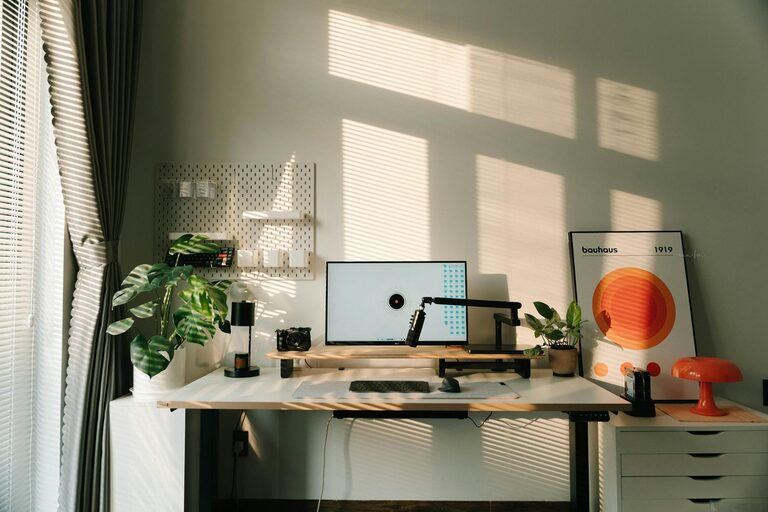
Incorporate items that motivate you such as artwork, plants, or meaningful photos. These touches make your workspace feel welcoming and inspire creativity.
Choose Calming Colors
Colors impact mood and productivity. Soft neutrals or cool blues and greens tend to be soothing and help maintain focus, while bright accents can energize the space.
Optimize Lighting
Layer Your Lighting
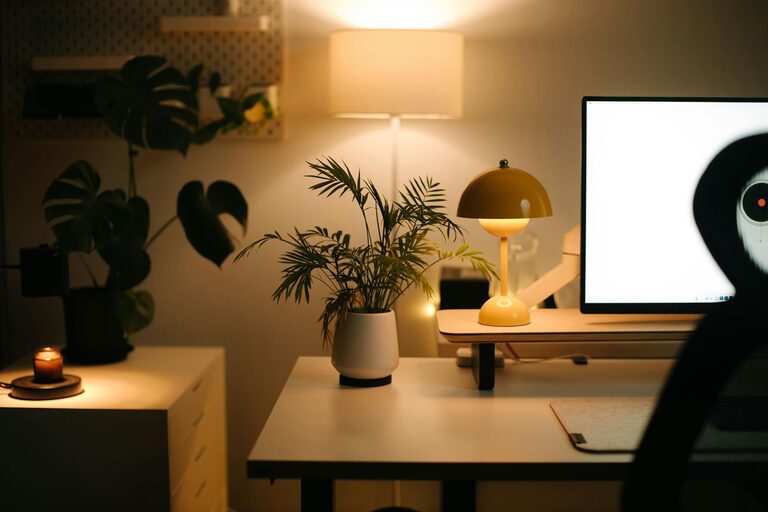
Combine natural light with ambient, task, and accent lighting. Use desk lamps with adjustable brightness for focused work, and softer overhead lighting to reduce glare and eye fatigue.
Avoid Screen Glare
Position your computer screen perpendicular to windows or use curtains to control brightness. This reduces reflections that can cause headaches and strain.
Use Technology Wisely
Reliable Equipment
A fast internet connection, good-quality headphones, and a functional printer or scanner are tools that can improve efficiency.
Cable Management
Keep cords out of sight and untangled with clips or cable sleeves. This not only looks neat but also minimizes hazards.
Set Boundaries and Schedule Breaks
Define Work Hours
Maintain productivity by setting clear start and finish times. Communicate these boundaries with family members to reduce interruptions.
Take Regular Breaks
Step away from your desk every hour to stretch or take a short walk. Breaks refresh your mind and help prevent burnout.
Incorporate Greenery
Benefits of Plants
Plants improve air quality and introduce a natural element that reduces stress. Even small potted plants or succulents can make a positive impact.
Easy-to-Care Options
Choose low-maintenance plants like snake plants or pothos if you don’t have a green thumb.
—
By following these tips, you can create a home office space that is both inviting and conducive to productivity. Remember that the perfect workspace is one that suits your personal preferences and work style, so don’t hesitate to experiment until you find what works best for you. A well-designed home office can turn your daily work routine into a more enjoyable and effective experience.
About the Author