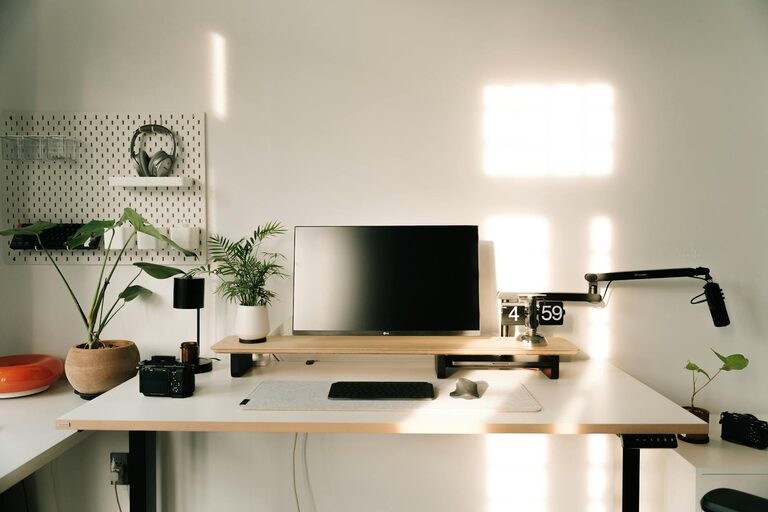
Creating a productive home office environment is essential for anyone who works remotely or spends significant time on tasks at home. A well-designed workspace can help you stay focused, reduce stress, and increase efficiency. In this post, we’ll explore actionable tips to help you set up a home office that supports your productivity and well-being.
Choose the Right Location
Find a Quiet Space
One of the most important steps in setting up your home office is selecting the right location. Choose a quiet area away from household noise and distractions. This might be a spare room, a corner of your living room, or even a section of your bedroom. The key is that the space minimizes interruptions and allows you to concentrate.
Consider Natural Light
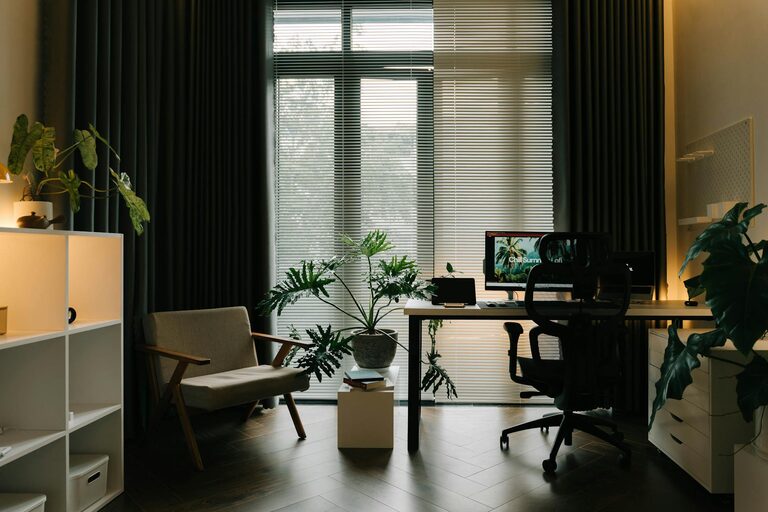
Natural light has been shown to improve mood and alertness. If possible, select a spot near a window. Position your desk so you can benefit from daylight without glare on your computer screen. If natural light is limited, invest in good quality lighting that mimics daylight to keep your workspace bright and inviting.
Invest in Comfortable and Functional Furniture
Select an Ergonomic Chair
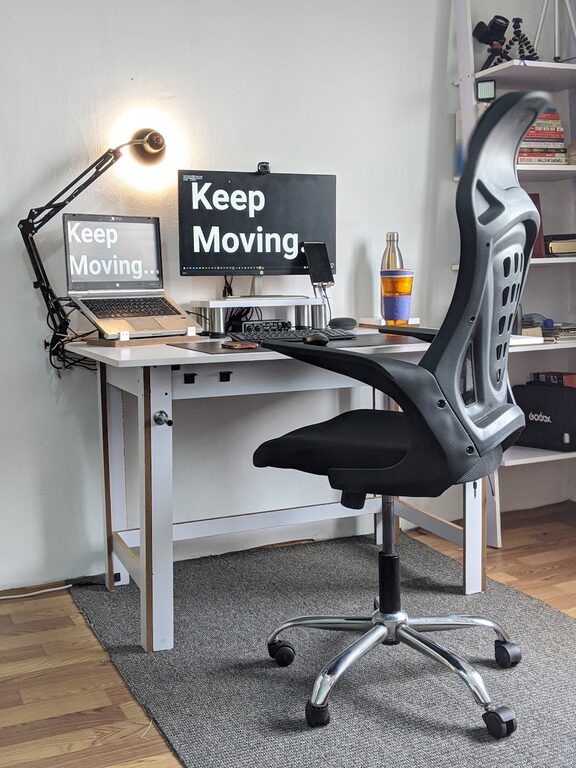
Comfort plays a huge role in productivity. An ergonomic chair that supports your back and promotes good posture can prevent discomfort and fatigue during long work hours. Look for chairs with adjustable height, lumbar support, and comfortable cushioning.
Choose the Right Desk
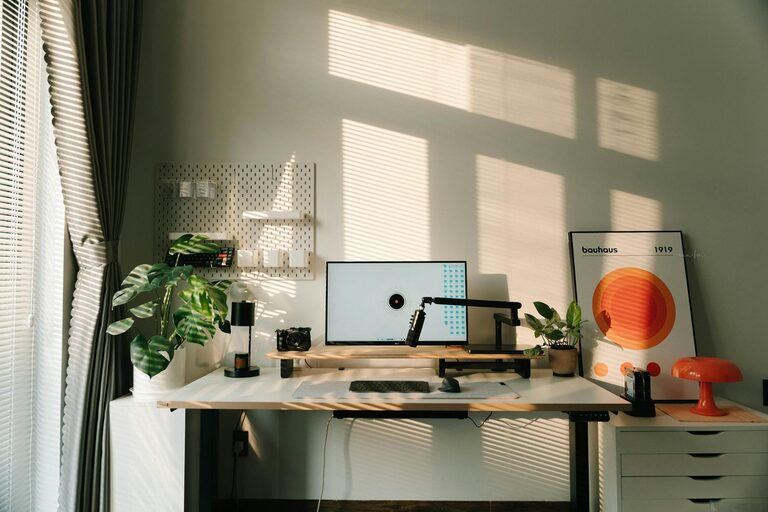
Your desk should be the right size to accommodate your computer, monitors, and other essentials without feeling cramped. Adjustable desks or standing desks can add flexibility and help reduce the negative effects of sitting for extended periods.
Organize Your Workspace
Declutter Regularly
A clean and organized workspace helps reduce distractions and increases focus. Keep only what you need on your desk and store other items in drawers or shelves. Regularly declutter to maintain a tidy environment that invites productivity.
Use Storage Solutions
Use storage boxes, trays, and shelving to keep your supplies organized. Label containers to make it easy to find what you need. This organization saves time and keeps your desk free of unnecessary mess.
Optimize Technology and Tools
Ensure Reliable Internet and Equipment
Make sure your internet connection is stable to avoid interruptions during work calls or downloads. Invest in quality equipment such as a fast computer, a good headset, and other peripherals that support your workflow.
Customize Your Tech Setup
Consider using dual monitors, keyboard shortcuts, or software tools that enhance your productivity. Tailor your technology to fit your work style and tasks to make your processes smoother.
Establish Boundaries and Routines
Set Clear Work Hours
Defining your working hours helps separate your professional time from personal life. Communicate these boundaries with household members to minimize distractions.
Create a Morning Routine
Start your workday with a routine that prepares you mentally for focused activity. This could include making a cup of coffee, reviewing your to-do list, or doing light stretching. A consistent routine signals your brain that it’s time to work.
Personalize Your Space
Add Plants or Artwork
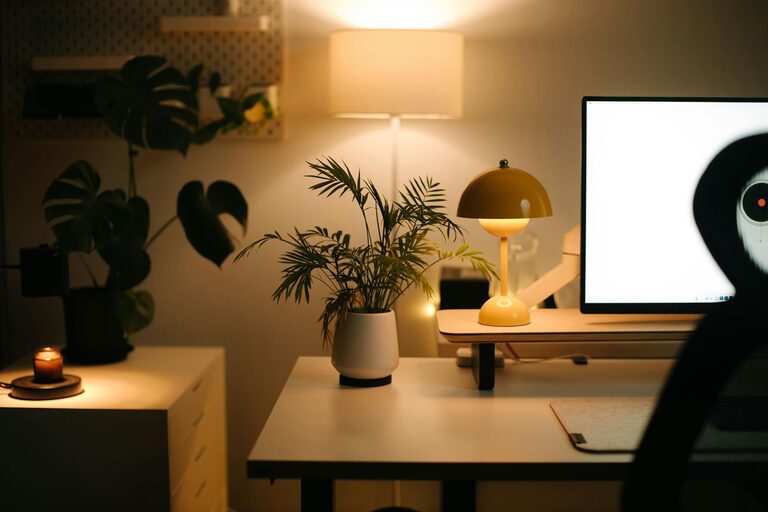
Personal touches can make your workspace more enjoyable. Adding indoor plants improves air quality and adds a calming element. Artwork or photos can provide inspiration and make the space feel inviting.
Use Comfortable Colors
Choose colors that promote focus and calm. Soft blues, greens, and neutrals tend to work well in workspaces. Avoid overly bold or bright colors that may be distracting.
Take Breaks and Move
Schedule Short Breaks
Taking brief breaks throughout the day can improve concentration. Use techniques like the Pomodoro method – work for 25 minutes, then take a 5-minute break. Regular breaks prevent burnout and keep your mind fresh.
Incorporate Movement
Get up and stretch or take a quick walk around your home during breaks. Movement helps reduce stiffness and boosts energy levels, making it easier to stay productive.
Maintain Good Air Quality
Ventilate Your Workspace
Make sure your home office is well-ventilated. Fresh air reduces fatigue and improves cognitive function. Opening windows when possible or using an air purifier can help.
—
Creating a productive home office involves more than just setting up a desk and a computer. By carefully selecting your workspace, investing in comfort, staying organized, and managing your routine, you can build an environment that supports your best work. Remember, small adjustments can make a big difference in how effectively you work from home. Happy working!
About the Author