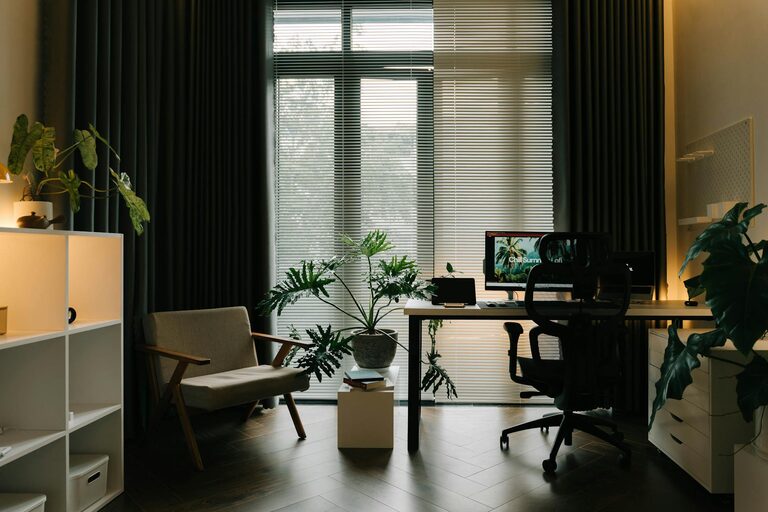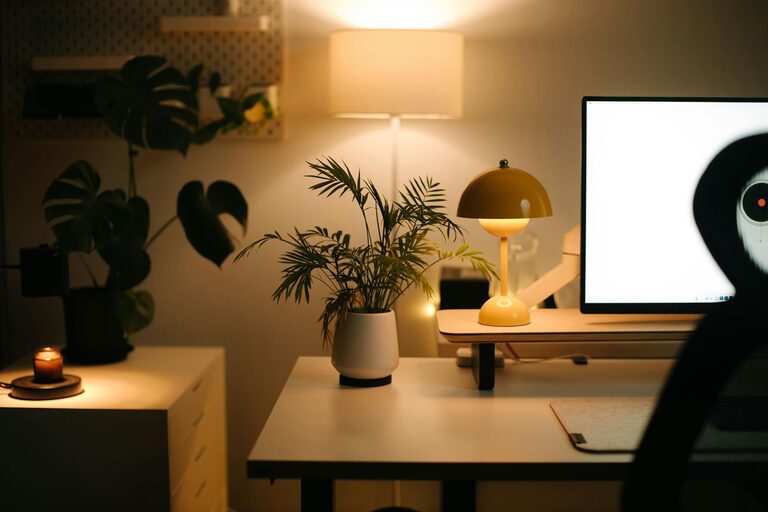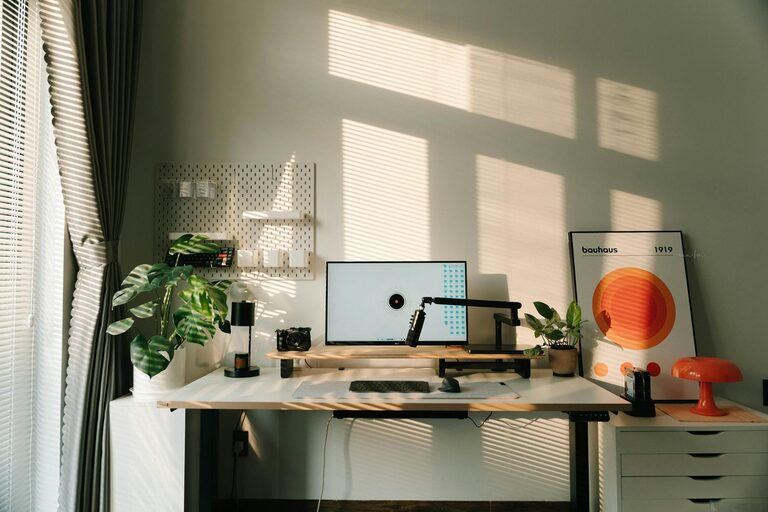
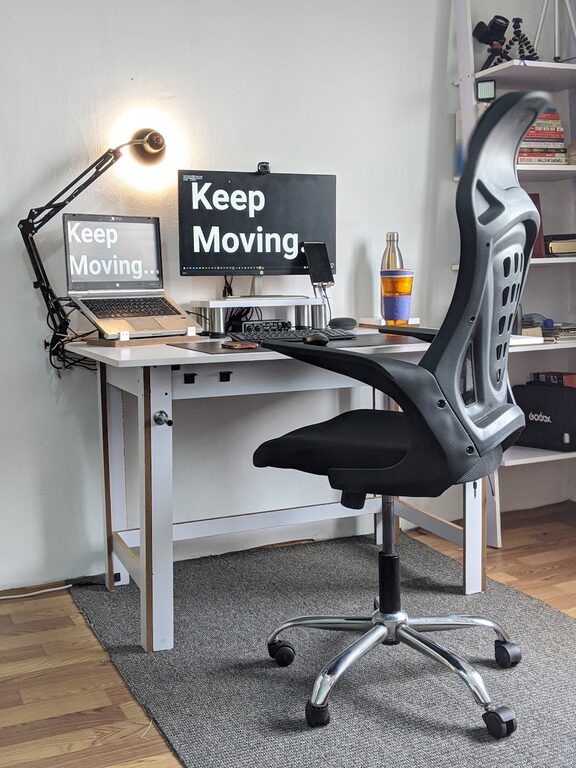
Working from home has become increasingly common, making it more important than ever to create a productive home office environment. A well-designed workspace not only boosts your efficiency but also helps maintain a clear boundary between work and personal life. In this post, we’ll explore practical tips to help you set up a home office that supports your work goals and well-being.
1. Choose the Right Location
Selecting the best spot for your home office is the first step toward productivity.
– Quiet and Private: Pick a space with minimal distractions, away from household noise or high-traffic areas.
– Natural Light: Whenever possible, choose a room or corner with access to natural light. It can help improve mood and reduce eye strain.
– Space to Grow: Make sure your chosen area has enough space for your desk, chair, and any equipment you need.
2. Invest in Ergonomic Furniture
Comfort is critical when you spend long hours at your desk.
– Ergonomic Chair: Use a chair that supports your back, promotes good posture, and is adjustable to your height.
– Desk Height: Your desk should allow your arms to rest at a 90-degree angle while typing.
– Standing Desk Options: Consider a sit-stand desk to vary your posture throughout the day, which can reduce fatigue.
3. Organize Efficiently
Clutter can hinder focus, so keep your workspace tidy and organized.
– Storage Solutions: Use shelves, drawers, and organizer trays to keep papers and supplies neat.
– Desk Arrangement: Keep frequently used items within arm’s reach to avoid unnecessary stretching or interruptions.
– Cable Management: Use clips or Velcro wraps to keep cords untangled and off your desk surface.
4. Optimize Lighting
Good lighting reduces eye strain and keeps you alert.
– Natural Light First: As mentioned, use daylight if possible, but avoid glare on your computer screen.
– Task Lighting: Use a desk lamp with adjustable brightness and direction for focused tasks.
– Ambient Lighting: Ensure the room is evenly lit to prevent harsh shadows or overly bright spots.
5. Minimize Distractions
A distraction-free environment helps maintain concentration.
– Noise Control: Use noise-canceling headphones or white noise machines if household sounds are unavoidable.
– Dedicated Work Time: Communicate your work schedule to your family or housemates to reduce interruptions.
– Limit Technology Non-Work Use: Keep personal devices out of sight or on ‘Do Not Disturb’ during work hours.
6. Personalize Your Space
Adding personal touches can make your office inviting and motivating.
– Plants: Small indoor plants can improve air quality and add a soothing natural element.
– Artwork or Photos: Decorate with images that inspire you or bring a sense of calm.
– Color Choices: Use colors that energize you or help you focus. Generally, blues and greens are calming, while yellows can boost creativity.
7. Establish Clear Boundaries
Maintaining a balance between work and personal life is crucial when working at home.
– Defined Workspace: Avoid working in common areas like the sofa or bedroom to help your mind associate your office with productivity.
– Set Work Hours: Stick to a schedule and log off at the end of the day to prevent burnout.
– Break Area: Have a separate spot for breaks away from your desk to refresh your mind.
8. Keep Technology Up-to-Date
Reliable and efficient tools can improve your workflow and reduce frustration.
– Stable Internet: Ensure your internet connection is fast and stable for video calls and cloud-based work.
– Peripherals: Use quality keyboards, mouse devices, and monitors to reduce strain.
– Backup Systems: Regularly back up your work to avoid data loss.
9. Incorporate Movement
Physical activity is important to stay healthy during long workdays.
– Take Breaks: Use the Pomodoro technique or timed reminders to stand up and stretch every hour.
– Exercise Tools: Keep small equipment like resistance bands or a yoga mat nearby for quick stretches.
– Adjust Your Position: Change sitting positions frequently, and consider a balance board or anti-fatigue mat for standing.
10. Keep It Clean and Fresh
A clean workspace supports clarity and reduces stress.
– Regular Cleaning: Wipe down your desk, keyboard, and mouse to keep dust and germs at bay.
– Air Quality: Open windows when possible or use an air purifier to keep the air fresh.
– Refresh Scents: Use essential oils or diffusers with subtle scents to create a pleasant environment.
—
Creating a productive home office isn’t about spending a fortune—it’s about making intentional choices to support your work style and comfort. By focusing on location, comfort, organization, and boundaries, your workspace can become a place where focus and creativity flourish. Give these tips a try and enjoy the benefits of a well-designed home office.
About the Author